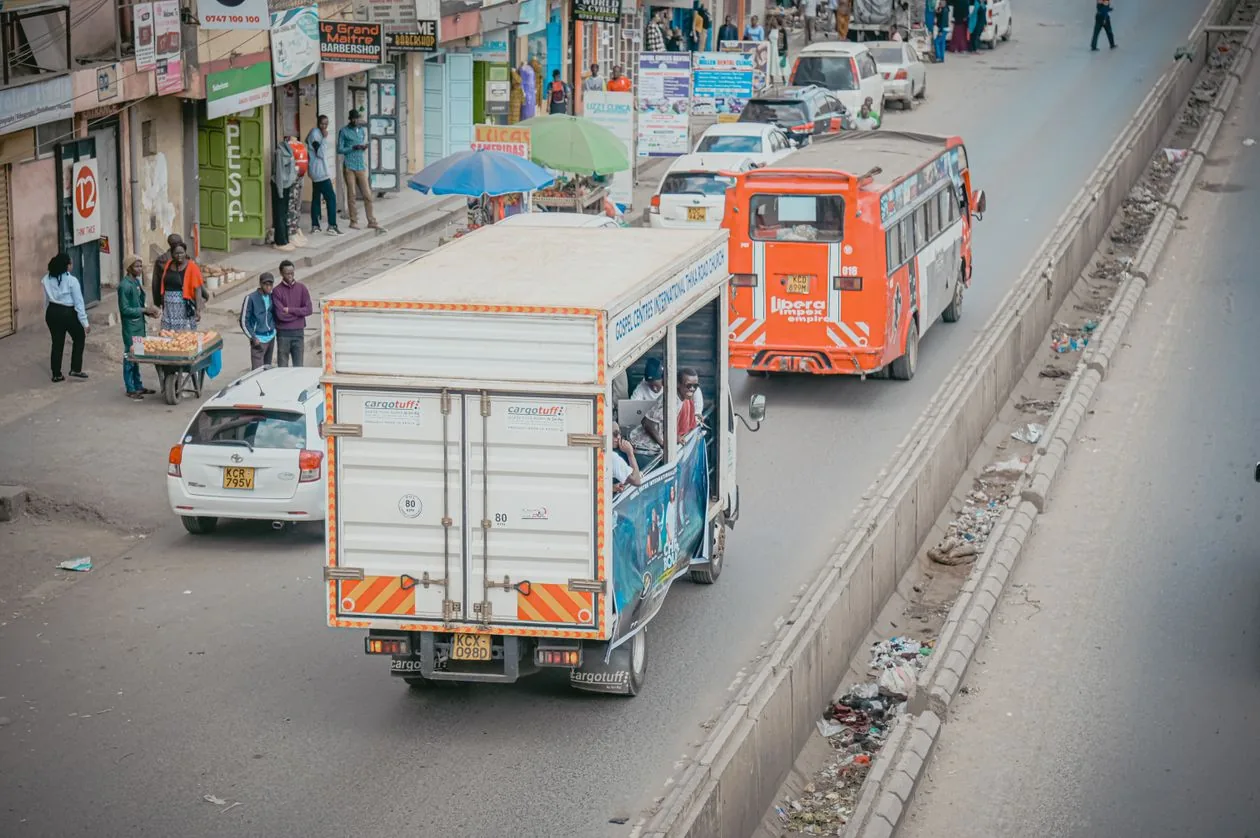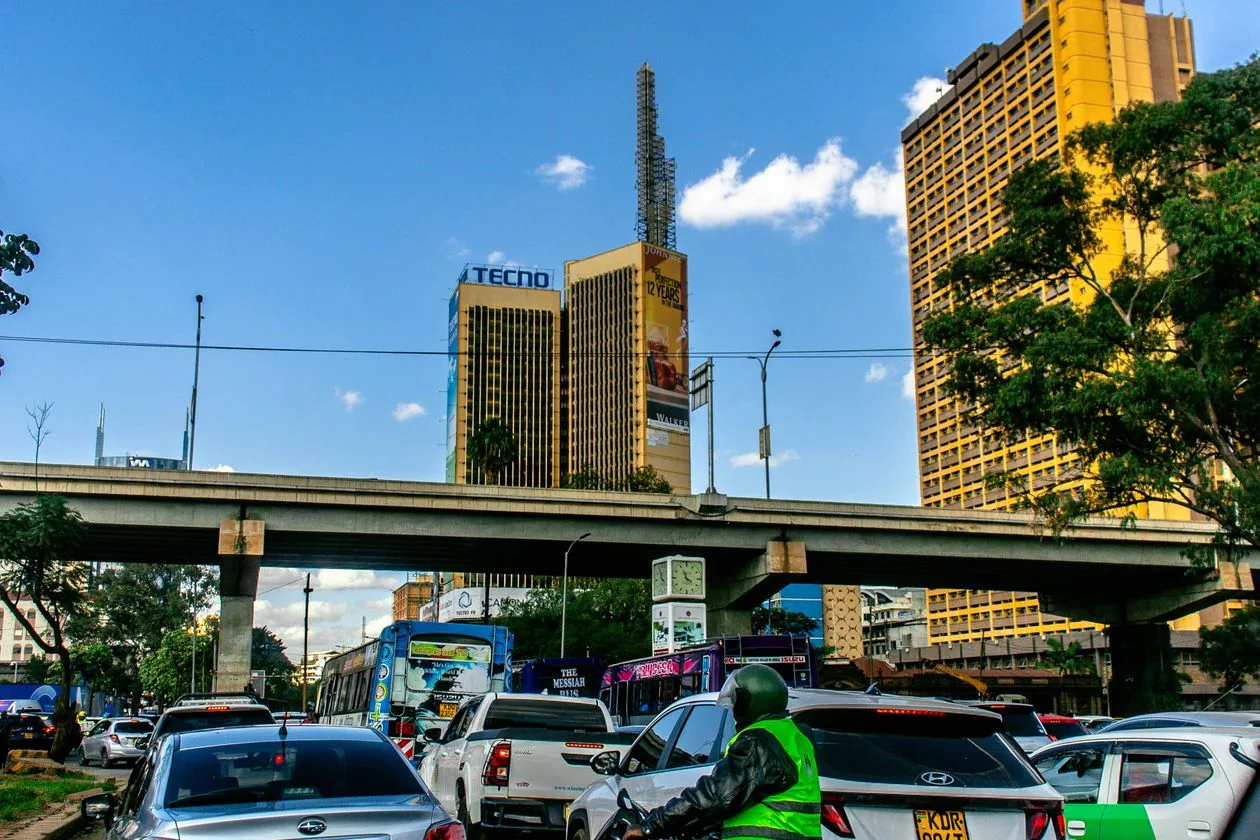
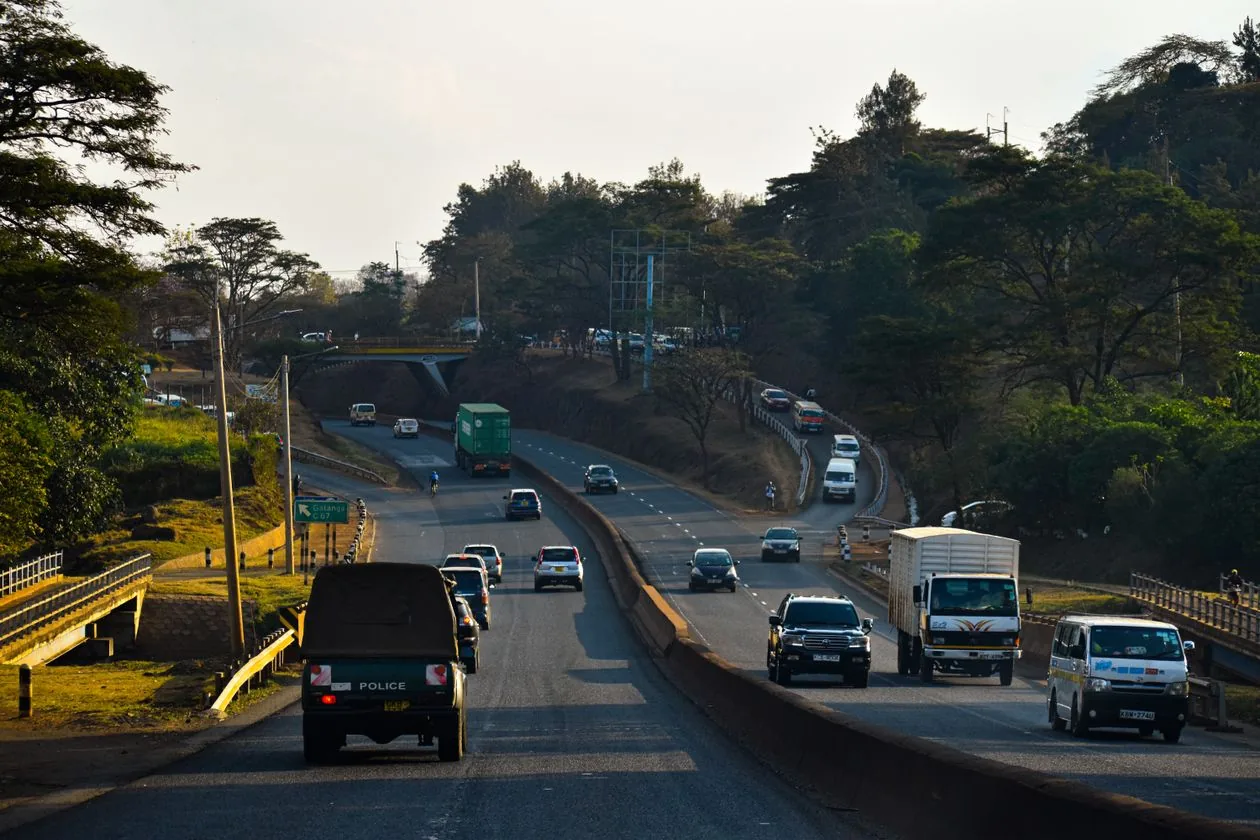
Most late arrivals are not a driver problem. They are a route-design problem: too many unstructured pickups, no buffer for traffic peaks on corridors like Mombasa Road and Thika Road, and no one tracking attendance against the manifest.
We start every shuttle program with a route audit. Where do staff actually live, not just the estate name but the cluster? What are the real shift times, including the 15 minutes it takes to clear the gate? What do Tuesday and Friday evenings do to Waiyaki Way? The answers decide the timetable, not the other way round.
A common mistake is copying public matatu stages as pickup points. Staff live in clusters, and three well placed stops always beat ten scattered ones. We map the clusters first, then commit vehicles. Fewer stops means shorter dwell time, less exposure on the roadside, and a schedule that survives rain.
Buffers are engineered, not guessed. A 7:00 am reporting time with a 45-minute corridor needs a 5:55 am departure from the furthest cluster, plus a 10-minute peak buffer between 6:30 and 8:00 am. We publish the buffer openly so managers stop reading a 7:04 arrival as a failure.
Shift-based flexibility is where in-house setups break. Day shift, night shift, Saturday half-day, month-end overtime. We build one master roster with vehicle tiers: core buses for the main corridors, vans that attach or detach as headcount moves. You never pay for a 33-seater to carry six people.
Once live, the program manages itself. The driver follows the printed and digital manifest, pickup captains confirm headcount on WhatsApp, and a late handover triggers a backup vehicle rather than a phone-tree panic. Operations, not favours.
Attendance data closes the loop. Every trip logs boarded, no-show and late-pickup. At month end your HR team gets a one-pager: trips run, on-time rate, exceptions by route and staff member. It ends the debate about who was late, and it feeds payroll and disciplinary records cleanly.
Safety is non-negotiable on staff routes. Speed governors, seat belts in use, no standing on corridor runs, a rested driver on night-shift changeovers. Our crew is briefed that arriving five minutes late is always better than arriving at speed.
The result is a system, not a favour: a professional driver, planned routes, realistic buffers and trip reporting your HR team can actually use. Pilot one corridor for a month, read the numbers, then scale.